Responsible Gambling: Understanding Risks and Maintaining Control
The online gaming and betting (iGaming) platforms offers an exciting source of entertainment for both new and experienced players. However, the potential risks and financial obligations associated with this entertainment should not be ignored. Responsible gambling is a fundamental approach that allows players to understand these risks, set limits, and keep their habits under control. This page aims to inform you about what responsible gambling is, why it is important, and how you can overcome the challenges you may encounter in this world.
Gamblingcore maintains an education-focused and independent stance. This means that all the information we provide is impartial, objective, and free from any commercial bias. Our aim is not to steer you towards any particular platform, but to provide you with the knowledge you need to make your online gaming experience more informed, safer, and more enjoyable. Promoting responsible gaming habits and enabling players to make informed decisions form the foundation of every piece of content we publish.
What is Responsible Gambling and Why is it Important?
Responsible gambling can be defined as a set of principles and practices that allow a person to keep all gambling activities under control, thereby avoiding negative consequences as much as possible. These principles and practices not only aim to prevent financial losses but also seek to protect mental, social, and physical well-being. Ensuring that gambling remains solely a form of entertainment and does not become an addiction is at the heart of responsible gambling.
The Basic Principles of Responsible Gambling:
- Setting Limits: Setting limits in advance on the time and money to be spent.
- Being Informed: Understanding the rules, odds and risks of the games played.
- Emotional Control: Not chasing losses and avoiding gambling when in an emotional state.
- Realistic Expectations: Accepting that gambling is a form of entertainment, not a source of income.
- Seeking Help: Not hesitating to ask for help when gambling habits get out of control.
Responsible gambling requires individuals to take proactive steps to protect their own well-being and that of those around them. This is a shared responsibility not only of players, but also of iGaming operators and regulatory bodies. Therefore, regulations and limits are established, and these responsibilities are reinforced through preventive measures.
It is also important to carefully read bonus terms and conditions, as promotional offers often come with wagering requirements that can affect your real risk.
Awareness of addiction
Understanding the Risks
Gambling addiction is a progressive illness in which the individual cannot control their urge to gamble, leading to serious negative consequences in other aspect of their life. It is not wrong to call it an illness because it is a highly dangerous condition that can be treated. This is a serious situation that goes beyond being merely a financial problem and can have devastating effects on psychological, social, and even physical health. Gambling addiction is also referred to as a “hidden illness” because it is often difficult to detect from the outside, and the addicted person usually tries to keep it a secret. Not only does the person ignore this illness, but in some cases, the illness is concealed under the guise of professionalism. Professionalism requires knowledge, experience, principles, and responsibility.
Signs and Symptoms of Gambling Addiction
Gambling addiction can manifest itself in different ways in each individual, but there are usually some common signs and patterns of behaviour. Recognising these signs is vital for early diagnosis of a potential problem, both in yourself and in your loved ones.
 Loss of Control:
- Failure to stop or reduce gambling. Spending more time or money than planned.
 Secrecy and Lying:
- Hiding gambling habits from family, friends or employers, and lying about it.
 Financial Problems:
- Borrowing money, failing to pay bills, stealing or taking on debt due to gambling.
 Relationship Problems:
- Arguing with family members, friends or partners due to gambling and deterioration of relationships.
 Decline in Work or School Performance:
- Not going to work or school due to gambling, and experiencing a noticeable decline in performance.
 Emotional Swings:
- Feeling restless, irritable, anxious or depressed while gambling or after gambling.
 Chasing Losses:
- Gambling more in the hope of winning back lost money and trying to “recover” losses.
 Giving Up Other Hobbies:
- Giving up hobbies, social activities, or interests that were once enjoyable.
 Development of Tolerance:
- Feeling the need to bet increasingly larger amounts to feel the same excitement.
If you notice one or more of these signs in yourself or someone you know, it could be a cry for help. Gambling addiction is a treatable condition, and early intervention makes a significant difference in the recovery process.
Causes and Risk Factors of Gambling Addiction
Gambling addiction does not arise from a single cause; in fact, most people with stable emotional states have a very low chance of developing this addiction. However, it can generally emerge as a result of a complex interaction between biological, psychological and social factors. Certain risk factors can increase an individual's susceptibility to gambling addiction:
- Genetic Predisposition Individuals with a family history of gambling or other addictions may be at higher risk. You can take a look at this article published on the PubMed page: Genetics of pathological gambling
- Psychological Factors People with mental health issues such as depression, anxiety, bipolar disorder, attention deficit and hyperactivity disorder (ADHD) may be at increased risk of gambling addiction. Gambling as a coping mechanism for stress, loneliness or boredom is also a risk factor.
- Social and Environmental Factors Factors such as easy access to gambling, the presence of people who gamble in one's social circle, the normalisation or glamorisation of gambling, and being introduced to gambling at an early age may increase the risk.
- Personality Traits Personality traits such as impulsivity, risk-taking tendencies, competitiveness, and perfectionism can also influence susceptibility to gambling addiction.


Gambling addiction is a serious health problem that develops beyond the person's control. Therefore, it is crucial to support those struggling with addiction without judgement and to encourage them to seek professional help.
The Importance of Early Intervention
Early intervention in gambling addiction significantly increases the chances of recovery. Recognising and accepting the problem at its onset and seeking help can prevent the addiction from deepening and leading to more destructive consequences. If you suspect that you or someone close to you has a gambling problem, do not hesitate to take action. Remember, asking for help is not a sign of weakness, but of strength.
However, responsible gambling not only prevents addiction, but also provides tools and strategies that enable players to actively manage their own gaming habits. In the next section, we will take a closer look at these tools and strategies. This page provides you with more detailed information and raises your awareness about responsible gambling.
Self-Exclusion Tools: Regaining Control
When you feel your gambling habits are getting out of control or simply want to take a break, self-exclusion tools are powerful mechanisms that can help you. Self-exclusion is when an individual voluntarily blocks their access to online gambling platforms for a certain period of time. These tools are offered by gambling operators and regulatory bodies and are an important part of responsible gambling. Making the decision to self-exclude is a responsible act that requires willpower. There is nothing wrong with it. However, it can be very difficult for a person with an addiction to make this decision. It is no different from a smoker trying to quit smoking. Therefore, you must be mentally prepared, and asking for help from those around you can be a mature and wise decision.
How Does Self-Exclusion Work?
The self-exclusion process simply results in blocking access to gambling platforms. With access to the platforms revoked, a person loses the right to play games. The self-exclusion process generally involves the following steps:
- Application: The player submits a self-exclusion application through the platform or platforms on which they gamble. This application can usually be made online or through customer services.
- Setting the Period: The player determines the self-exclusion period. This period is typically 6 months, 1 year, 3 years, 5 years, or indefinite. During the specified period, the player cannot access the relevant platforms or open new accounts.
- Approval and Implementation: Once the request is approved, the gambling operator closes the player's account and blocks the player's access to the platform for the specified period. This process is usually also communicated to other relevant platforms.
Types of Self-Exclusion Tools:
- Operator-Based Self-Exclusion: This is when a player directly excludes themselves from a specific gambling operator's site. This is only valid on that operator's platform.
- Multi-Operator Self-Exclusion: In some countries or regions, players have the option to exclude themselves through a centralised system covering multiple gambling operators. Examples include systems applicable to GAMSTOP in the United Kingdom or MGA-licensed sites in Malta.
- Software-Based Blocking: Software that can be installed on computers or mobile devices (e.g. Gamban, NetNanny) can completely block access to gambling sites. Such software provides an additional layer of security to self-exclusion tools.


The Importance of Self-Exclusion:
Self-exclusion is a powerful step for individuals seeking to control their gambling habits. These tools help curb impulsive behaviour and provide the player with the necessary time and space to distance themselves from gambling. However, self-exclusion alone may not be sufficient; it is most effective when used in combination with professional help and support.
Budget Control and Limits: Protect Your Financial Health
One of the key principles of responsible gambling is setting financial limits and adhering to them. Gambling should be an activity for entertainment purposes and should never lead to financial problems. Effective budget control and limit setting are key to protecting your financial health in both the short and long term. By setting daily, weekly or monthly limits, individuals can define their own boundaries. Sticking to these limits is the most important decision, and these limits must be amounts that will not have a psychological impact if lost.
Why is Budget Control Important?
 Financial Security:
- Ensures that the money you set aside for gambling does not affect your basic living expenses (rent, bills, food, etc.).
 Keeping Losses Under Control:
- Pre-set limits prevent you from losing more money than expected.
 Avoiding Emotional Decisions:
- Limits help prevent risky behaviours such as chasing losses or making impulsive bets in emotional moments.
 Realistic Expectations:
- It reminds you that gambling is a form of entertainment and that winning is not always possible.


Tips for Effective Budget Control
 Set a Separate Budget
- Set aside a separate budget for gambling, distinct from your other expenses. This should be an amount you can afford to lose.
 Deposit Limits
- Most online gambling platforms allow you to set daily, weekly, or monthly deposit limits. Actively use these limits and set boundaries that suit you.
 Loss Limits
- Set a limit on how much you can lose within a certain period. When you reach this limit, stop playing.
 Session Limits
- Set a time limit on how long you will spend in a gaming session. Long gaming sessions can lead to fatigue and ill-considered decisions.
 Separating Winnings
- When you win, set aside a portion of your winnings and do not use it for further gambling. This helps you protect your profits.
 Keeping Records
- Keeping track of your gambling expenses and winnings helps you better understand your habits and manage your budget more effectively.
Limit Tools Offered by Gambling Operators
-
Deposit Limits
- Restricts the maximum amount of money that can be deposited within a specific time period.
-
Loss Limits
- Restricts the maximum amount of money that can be lost within a specific time period.
 Betting Limits
- Limits the maximum amount that can be bet within a specific time period.
-
Session Time Limits
- Limits how long players can remain online during a session.
 Reality Check
- Notifications that remind players how long they have been playing and how much money they have spent at specific intervals.
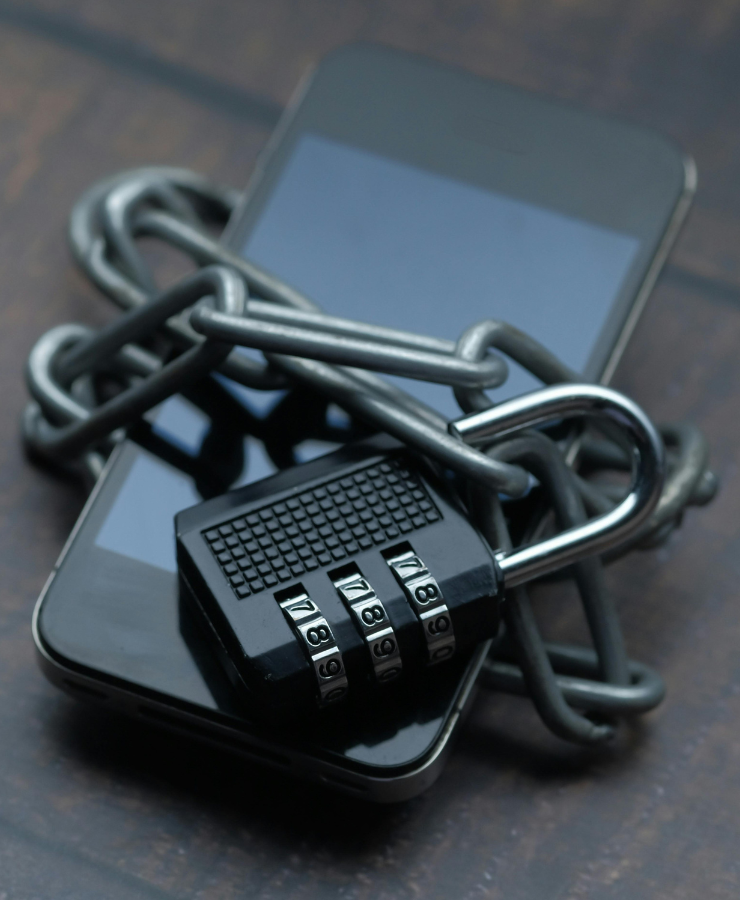
Using these tools actively is one of the most effective ways to keep your gambling habits under control and protect your financial health. Remember, gambling should only be for entertainment purposes and should never be seen as a financial solution.
Help Resources: You Are Not Alone
When you realise you are experiencing problems with gambling, or if you think someone needs help, it is important to know that you are not alone. There are many organisations and resources worldwide that provide support to individuals and families struggling with gambling addiction. Seeking professional help is the first and most important step in the recovery process.
There are numerous organisations operating internationally that specialise in gambling addiction. Although these organisations generally provide services in English, they can provide access to global information and resources:
| Institution | Description | Website |
|---|---|---|
| Gamblers Anonymous (GA) | An international community where individuals with gambling addiction support each other through a 12-step programme. Anonymity is fundamental. | Gamblers Anonymous Website |
| GamCare | This UK-based organisation provides free and confidential support, information, and counselling services to individuals experiencing gambling-related issues. | GamCare Website |
| National Council on Problem Gambling (NCPG) | A national organisation in the United States that raises awareness, provides education and offers assistance services regarding gambling addiction. | NCPG Website |
| South African Responsible Gambling Foundation (SARGF) | Offers free and confidential treatment/counselling; provides support for problem gambling and families. | SARGF Website |
| Check dein Spiel | Offers anonymous and free counselling/support options (focus on gambling addiction). | Check dein Spiel Website |
| Joueurs Info Service | Information and support via telephone and chat; assistance available for problem gaming/gambling. | Joueurs Info Service Website |
| FEJAR (Federación Española de Jugadores de Azar Rehabilitados) | Support through a network of associations; online therapy and 'self-banning' guidance. | FEJAR Website |
| Stödlinjen (The Swedish national gambling helpline) | Information/counselling for those experiencing gambling-related problems; telephone and online chat support. | Stödlinjen Website |
| Gambling Care Ireland | Help and resources for problem gambling; referral to support options. | Gambling Care Website |
| Gambling Helpline (Aotearoa NZ) | 24/7 free telephone and SMS anonymous support and referral. | Aotearoa Website |
Don't hesitate to ask for help
Gambling addiction is not something to be ashamed of or hidden. If you are unable to set your own limits or know when to stop, it is time to seek help. Just like other health issues, it can be overcome with professional help and support. If you or someone close to you is seeking help, do not hesitate to contact one of the resources listed above. Early intervention is critical to the recovery process. Remember, there is always a way out, and you are not alone.
Alternative Solutions: Hobbies That Enrich Your Life
Gambling may be an escape or a search for excitement for many people, or perhaps it was discovered simply as a way to spend free time. However, these needs can be met in much healthier and more constructive ways. There are many alternative hobbies and activities that can replace gambling, enrich your life and provide you with real satisfaction. You can even turn these hobbies and activities into a source of income.
1. Creative Hobbies:
- Stone Painting: You can create unique works of art by colouring stones collected from nature with acrylic paints. This is both a relaxing activity and one that brings out your creativity. It is low-cost and appeals to all age groups.
- Origami or Paper Folding Art: You can create incredible figures with just a few pieces of paper. It improves concentration and develops your manual dexterity. There are countless free guides and videos available online.
- Knitting or Crocheting: Knitting blankets, scarves, hats or toys is a relaxing hobby that also allows you to produce a tangible product. Starter kits are affordable.
- Painting or Drawing: You can develop your drawing skills by starting with a notebook and a few pencils. It's easy to find free lessons and inspiring resources online.
2. Nature and Outdoor Hobbies:
- Hiking: Walking in nearby parks, forests or mountainous areas is great for both your physical and mental health. Being close to nature reduces stress and offers new perspectives.
- Cycling: Cycling in the city or in nature is a fun way to exercise and discover new places. A second-hand bicycle can be a cost-effective option for beginners.
- Gardening: Growing plants, even on a small balcony, touching the soil, and watching things grow is incredibly satisfying. You can grow vegetables or flowers.
- Birdwatching: Starting with a pair of binoculars and a bird guide, trying to identify the bird species around you is a calming hobby that requires patience and observation skills.
3. Mental and Learning-Oriented Hobbies:
- Learning a New Language: Learning a new language with free apps (such as Duolingo) or online resources keeps your brain active and introduces you to new cultures.
- Reading Books: You can travel to different worlds by borrowing free books from libraries or using e-book apps. Reading increases knowledge and reduces stress.
- Watching Documentaries: Watching documentaries on science, history, nature or art is a great way to learn new things and broaden your worldview.
- Playing an Instrument: Learning to play a musical instrument is a rewarding hobby that requires discipline, patience and creativity. Beginner-level instruments can be affordable.
4. Community and Social Hobbies:
- Volunteering: Volunteering at a local charity, animal shelter, or environmental conservation project offers the satisfaction of helping others and working towards a meaningful cause.
- Joining Sports Teams: You can socialise and stay physically active by joining an amateur sports team or attending group classes at a local gym.
- Book Clubs or Discussion Groups: Getting together with people who share your interests to exchange ideas strengthens your social bonds and contributes to your intellectual development.
5. Marketplaces Where You Can Sell Your Hobby Products:
- Etsy: The largest marketplace for hobby products.
- Facebook Marketplace: Still maintaining its popularity.
- Second-hand apps: Apps such as Vinted, Poshmark, and OfferUp that can be downloaded onto mobile devices.
These hobbies are healthy and constructive alternatives that can replace gambling. The important thing is to find an activity that brings you pleasure, keeps you occupied, and adds value to your life. Discovering a new passion to fill the void left by gambling is an important step in the recovery process.
Responsible Gambling is the Key to a Healthy Life
If you suspect that you or someone close to you has a gambling problem, don't hesitate to seek help. You are not alone, and recovery is possible. Use self-exclusion tools, keep your budget under control, seek professional help, and discover new hobbies that will enrich your life. By making conscious and responsible decisions, you can lead a healthy and balanced life. However, we hope that none of you will ever need this page. Our greatest wish is that you start this industry with a sense of responsibility.
Latest from Secure & Responsible Gambling
No posts in this category yet.